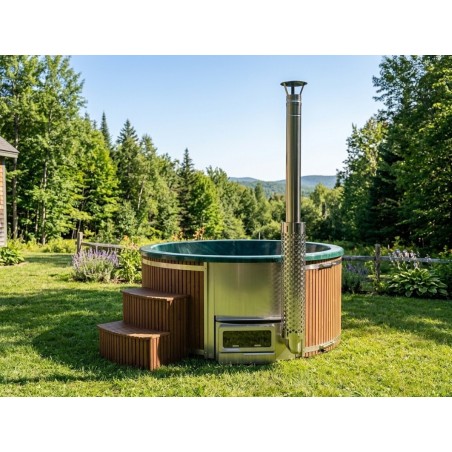
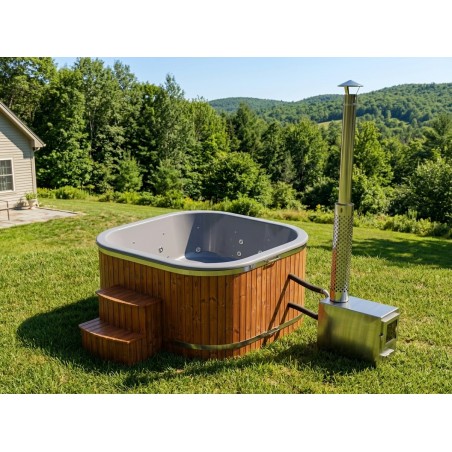
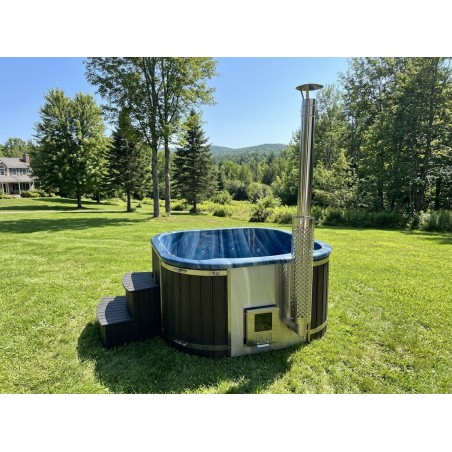
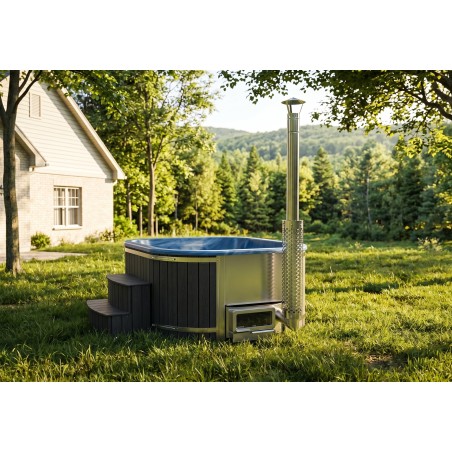




Fiberglass vs Acrylic Hot Tubs: What's the Difference?
Fiberglass vs Acrylic Hot Tubs: What's the Difference?
When choosing a hot tub, one of the first decisions is the shell material. The two most popular options are fiberglass and acrylic. Both offer excellent bathing experiences, but they are designed for different usage habits and budgets.
Fiberglass Hot Tubs
Fiberglass hot tubs are manufactured using fiberglass-reinforced resin with a durable gelcoat finish.
Advantages of Fiberglass
Lower Purchase Price
Fiberglass hot tubs are generally more affordable than acrylic models, making them an attractive option for customers looking for excellent value.
Ideal for Occasional Use
If you typically fill your hot tub before use and drain it afterward, fiberglass is often the most practical and cost-effective solution.
Easy Maintenance
The smooth gelcoat surface is easy to clean and maintain.
Lightweight Construction
Fiberglass hot tubs are lighter than comparable acrylic models, making transportation and installation easier.
Considerations
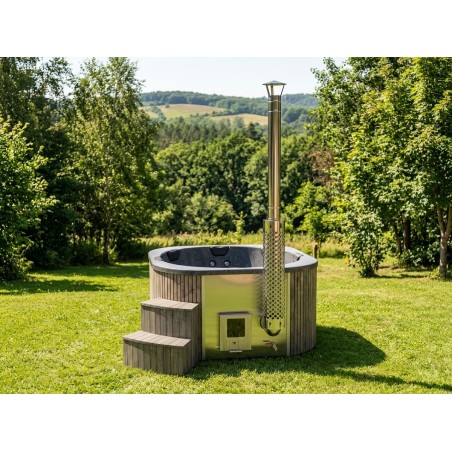
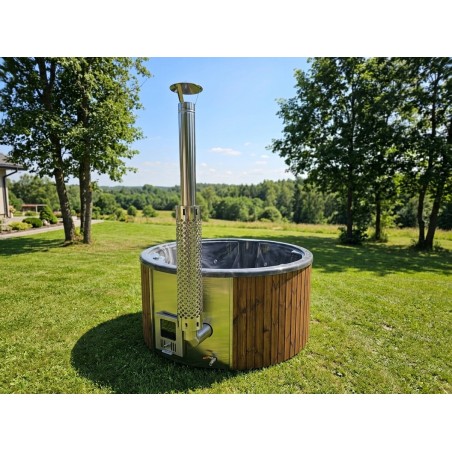
Fiberglass hot tubs are commonly used as traditional wood-fired hot tubs where water is not continuously maintained for weeks or months at a time.
Acrylic Hot Tubs
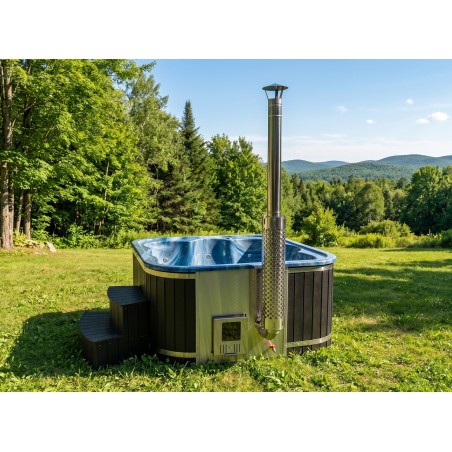
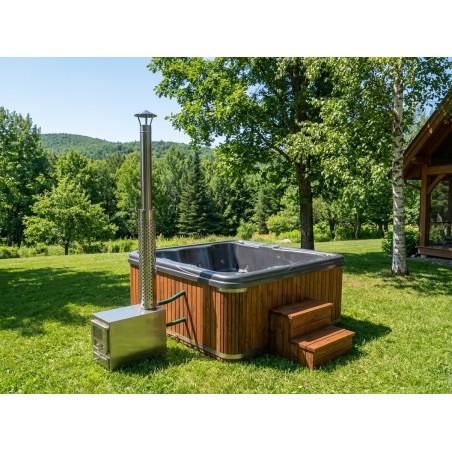
Acrylic hot tubs feature a thick acrylic surface reinforced with fiberglass from the backside. This construction is commonly used in premium spas and hot tubs designed for year-round operation.
Advantages of Acrylic
Thicker Shell Construction
Acrylic shells are typically thicker than fiberglass shells, providing a solid feel and excellent insulation properties.
Designed for Permanent Water Maintenance
Acrylic hot tubs are ideal for users who keep water in the tub continuously and maintain it with filtration and water treatment systems.
Excellent Chemical Resistance
Acrylic surfaces are highly resistant to chlorine, bromine, and other water treatment chemicals used in modern spa systems.
Premium Appearance
Acrylic offers a luxurious glossy finish and is available in a wide range of colors and patterns.
Considerations
Dark-colored acrylic shells should not be left empty and uncovered in direct sunlight for extended periods. High temperatures can cause excessive surface heating, potentially leading to stress on the material. For this reason, manufacturers recommend keeping the hot tub filled with water or protected with a cover when exposed to strong sun.
Quick Comparison
| Feature | Fiberglass | Acrylic |
|---|---|---|
| Purchase Price | Lower | Higher |
| Shell Thickness | Standard | Thicker |
| Long-Term Water Storage | Good | Excellent |
| Chlorine Resistance | Good | Excellent |
| Best For | Occasional use | Continuous use |
| Weight | Lighter | Heavier |
| Premium Appearance | Good | Excellent |
| UV/Sun Exposure Empty | More Tolerant | Requires More Care |
Which Should You Choose?
Choose a fiberglass hot tub if:
- You want the most cost-effective option
- You use a wood-fired hot tub occasionally
- You frequently change water
- You prefer lower initial investment
Choose an acrylic hot tub if:
- You plan to keep water in the hot tub continuously
- You use filtration and water treatment systems
- You want maximum chemical resistance
- You prefer a premium spa-style finish
Final Verdict
Neither material is universally better. Fiberglass offers affordability, simplicity, and excellent value for traditional hot tub use. Acrylic provides superior long-term water maintenance capabilities, excellent resistance to spa chemicals, and a premium appearance for users who keep their hot tub ready year-round.
The best choice depends on how you plan to use your hot tub.